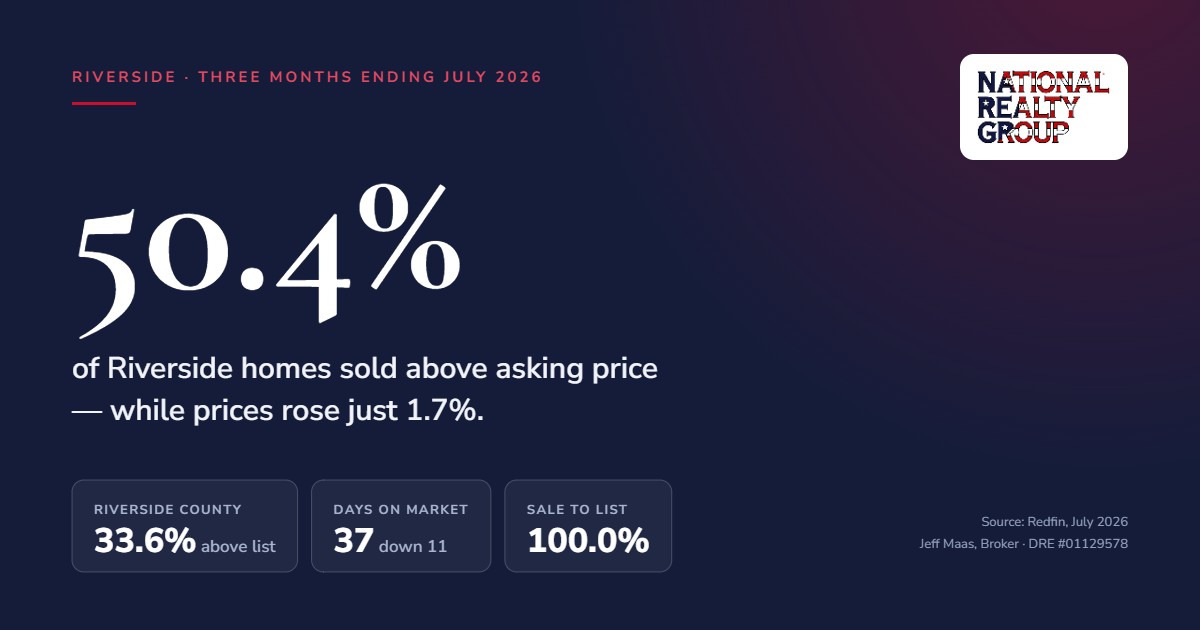
Examine the driving forces behind the migration from Los Angeles and Orange County into the Inland Empire, and what it means for local real estate seekers.
Why Are Homebuyers Flocking From Coastal Cities to the Inland Empire?
For years, a distinct migration pattern has been reshaping Southern California real estate. Homebuyers and renters alike are increasingly packing up their coastal lives in Los Angeles and Orange County to head eastward into the Inland Empire. But what is driving this steady wave of relocation, and how does it impact the region's housing and rental markets? To understand this shift, we must examine current housing market data, regional economic dynamics, and the persistent search for affordability.
What Drives the Migration From LA and Orange County to the Inland Empire?
The primary engine behind this eastward movement is the stark disparity in housing costs. Southern California as a whole has frequently been labeled one of the most expensive and unaffordable housing markets in the United States, with a concentration of the nation's priciest metropolitan regions located right here in the Golden State. Recent reports from mid-2026 highlight that while home prices and sales have begun to cool or decline in coastal hubs like Los Angeles and Orange Counties, baseline entry points remain severely out of reach for many average wage earners.
By contrast, the Inland Empire—encompassing major hubs like Riverside and San Bernardino counties—has historically offered a more attainable path to homeownership or larger square footage for renters. While rental growth has accelerated significantly in the Inland Empire, sometimes leading the broader Los Angeles metropolitan area in rental rate increases due to high demand, the region still represents a vital pressure valve for families priced out of coastal submarkets.
How Do Industrial Growth and Local Economy Shape the Region?
Beyond residential housing, the Inland Empire’s economic landscape plays a massive role in its sustained popularity. Often recognized as a powerhouse for logistics, warehousing, and distribution, the region's industrial sector continues to evolve. Recent studies and municipal developments—such as university policy fellowships tracking regional growth and ongoing deliveries of industrial facilities—underscore how warehousing and commerce anchor local employment.
However, this industrial expansion creates a fascinating dual narrative. On one hand, it drives job creation and commercial investments, such as multi-million-dollar apartment complex acquisitions by outside investors looking to capitalize on rental demand. On the other hand, it creates distinct submarket divides. For instance, commercial and industrial rent divides between the West and East Inland Empire demonstrate how proximity to coastal transit corridors versus more affordable eastern frontiers alters business and residential economics alike.
Fact Versus Interpretation: What the Data Actually Tells Us
When evaluating real estate trends, it is crucial to separate verified market facts from broad industry interpretations:
- Sourced Fact: Data from regional reports and tracking agencies confirm that a continuous demographic shift has moved people out of high-cost coastal counties like Los Angeles and Orange County and into the Inland Empire.
- Sourced Fact: Broader Southern California continues to rank among the most expensive housing regions nationwide, and recent market updates show home sellers outnumbering buyers in several broader footprints as inventory adjusts.
- Interpretation: While lower relative pricing initially drove migration, some market analysts interpret the recent surge in Inland Empire rental growth and multi-family investments as a sign that the region is transitioning from a mere 'bedroom community' for coastal workers into a self-sustaining economic powerhouse.
What Are the Practical Next Steps for Prospective Buyers and Renters?
If you are considering a move to the Inland Empire or looking to plant roots in vibrant local communities like Riverside, San Bernardino, or surrounding suburban pockets, navigating today's shifting market requires careful planning:
- Monitor Inventory and Competition: Keep a close eye on local neighborhood data. Because inventory shifts dynamically, understanding whether buyers or sellers hold the leverage in a specific ZIP code will dictate your negotiation strategy.
- Evaluate Total Cost of Commuting Versus Housing: Many buyers trade a lower mortgage payment for a longer commute. Factor transportation costs into your monthly budget to ensure your net savings remain intact.
- Secure Your Financing Early: Working with a trusted lending partner is essential in a competitive or rapidly fluctuating market. For personalized financing guidance and pre-approval strategies tailored to Southern California's unique landscapes, connect with professionals at National One Mortgage Corp by visiting National One Mortgage Corp.
By keeping a balanced view of regional economic drivers, acknowledging market realities, and preparing your financial strategy ahead of time, you can successfully navigate the Inland Empire's evolving real estate landscape.
Sources & Further Reading
- https://news.google.com/rss/articles/CBMirgFBVV95cUxQdzNxaVQ1cHUxVDVaSzRSc3o2TTZ5RVRCUDJocEx3aDB3aDl3LWk2aEY1Z3FlVXFlcTFuOGFQS1g5TFctNjRZVFRRcGQ0alc2TnBYUTBtTE5pRjY4aEtBRjhnV0VISGJNQmt6NnBzZlVkMV94OUdhX19GNjM3QXFsSDJhM3V4bnZYR1RxZFFLMDZ4aUlhZnFNQ3NCbXBsbnVPdTFBeU1rTzNQTTd3Wmc?oc=5
- https://news.google.com/rss/articles/CBMioAFBVV95cUxQTGVPQTEtazdJNFBTYnhBVHJPODZoSDd2YS1maDh2WjZLQ09yZ3BsaVlpVlZNdGozWVM5Mjg4bTRDNjd3NTdIb2ViTDFoLTdjOFR5MHZiWDJpREtTVE5FS04xTnloeW16eWxkQXRjcVNZUWtUdEcwWlJOYmpVYkxmaEhQZl9SNmNBbTJVc2JlTWVLMm5TUVZ2bTJFVVFqdk1y?oc=5
- https://news.google.com/rss/articles/CBMimgFBVV95cUxOSWZHeDlLN1FuZVFWODVYWGdxYVhFRDNzVWpWWE93MlpRU01MZHFNemdJQkI2ZEF3dXlKekg3WXYzUTZ1Z3ZpZmcwbUIzYXN4djhDOVRNTWVIU2Z4aXBsWkdoRnRGMENfbWJuN2dOTERkaXQ1Y0dZZDZjRlVqMFZLSmxUUVU1S0gyUC1tdGVyemZLQTJMR1V6Q253?oc=5
- https://news.google.com/rss/articles/CBMingFBVV95cUxPMFNOd0lETFFlSklRTk9kelhMN2loaGtjMHZlRXhadDVQRVJkVE5iZGh1b3F4Q3dWSmx0Y29FdmxpbUNPU3RQbzRvTGpodk9Mc1Znemo5MDNvb2dFYUpPSGdKQnRvY1pETFg3Q1N6YTBPUDg3M0tvODUycngxSGd3ejBBS182d2NwbDB5Z25Ka0psTEdsNEp2UU1DZDdvQdIBowFBVV95cUxPSlNZa2p3c2dsRkwyYUJiUmtaTGFvSHRrTHQ3emZtUE1wZFFEV1NWSlM0LUlwS0lqcGNGeEVuMkloTXRLQ0hKV0h6MTNnZWl1T0N4ZEpVT28tdG1Ta3hNVU02VGwzTElIdXdBdW5kRHJOZmxWM3ZGUkVJYThkYk5JbW01NmxMWFFWemxQOGMzRkdTWVVNY0FXWF9CVmNRemZtX2hz?oc=5
- https://news.google.com/rss/articles/CBMingFBVV95cUxQOWdRVkdSS2xjczFvbmhIN1J1M1JNNWtDUmFKS2J2dklwalhuYVNiQW94R2VIZ0lrQ3ZHSkQ3R0FIbkNNZ01VREUxTjJ3SUtCT0Vma3RkQjZtMnFnMVBxZ3VoNGpmRmF4SUNYNjhRSFlGUnM5RlEzWFJ2akpFaDViRm1VbmJpM1NtTGRHR2tFNElFX0RuakdqdFdobk5rQQ?oc=5
- https://news.google.com/rss/articles/CBMirgFBVV95cUxPNUVGUFotT0ZqQ2JfMGdFZ2NSSXVjWHJDOFVqWHJMZ2pPZGtqb0tPdWxxbnBXWHFZaURVMHR4YmJGQ05ZeklydHJIZVFCRTV2MlNERV92WnVEdjRHSVJqQzRFX2h3Wm04MUJQWlVHRzA3Tmp6NjYxTW5qaVpmREd6UDhtREo5WVBCWnR4RkNsY3dxXzdNTnc0UGRETzEyRkxJZ2tSMjNEMEFLQTAyaGc?oc=5
- https://news.google.com/rss/articles/CBMipAFBVV95cUxQWmxkSVE2MHUzT0tEcC1MTlZSUHAwUVU3aThnVkd3TFJEZGc1X1hFZzQtMl8wc2ZDUTZNeV9rWU92elBaYTNBcmVadV9NRjdvYWVxYldjT2ZsdkM4YWk1TmwtTDJCNDRjVy1GRjhuVEp2YXFsVjF0dGRmN3BvVUdzb0JXOFFCQzVoNkVVcXNsc2o0TTFNQ0xxRE9va1hHVWFBV2ptT9IBqgFBVV95cUxNYTlNdEliM2VTYkxKSUszQ1U1QmJfRVZHUnlrRnRoTmlrN0VLSVNiTTYtSVkwclZNZEV5LVlJdFFRLXpRVk1KM2VDeUhUZUlGOG93TkpkTGpHUHNYcDNmSXEyV2xCc0FwXzdTQzZQX2ZUQkcza3JUTmdMRDdzZWltYTRZVUpKQzZSWWx0X1V6bzROa2Y0SjZCYURTZWFkYkgtNDhzalBZSmRIZw?oc=5
- https://news.google.com/rss/articles/CBMiqAFBVV95cUxQT2pBaDVSdDRyMnhOZWtoMUNPa3FBWlJoMUVKblVCdTA4X1NVRVR5YWtrck9CVm5IZlp0QXZWcWJJb2J5bWpOSnBHOGtfYmcxNUpmSHhqRFdsLUdwVXRjNmRWczRMUU1LblJGdEpLaFBVaVlMVmJmYUljYUNWRGhPc19KY252LThyUE9VVTg5cnpOSURpSThPQjU0Vkd3dnNZZlRuREJjcV8?oc=5
- https://news.google.com/rss/articles/CBMilgFBVV95cUxNaTQ3R3pGcHhjOU5UNTJtU0ZNdk9PZ2dxbGl1Zjh1OHVKc2J6aHZMV1F6ZGE1c1gwRk82ZTBuZDRzOGwxVHdUTDllX0VuMWUyaXJPSWZ2Qk1qZnAxQkJJcXlXVTFmaHJDa0ZKQVdEVUN4NEZqTW16clVzaEREaWt6TnBwNE5NWk43U3VpWnZCOUpHaFEyMFE?oc=5
- https://news.google.com/rss/articles/CBMiggFBVV95cUxOdjdOT2VIM09mM2w0ZENPSXJWTzBLZ0FfWWIwcUttSjYyaUpMc0E4UjdFa0xFVzNta2kydEJFUVdaUVFrV0pvSHNCVFFnUWZ3ZW1tOEFKN183RzdZSEVSZmh4YjhjMHJubXBQb01ocmd0SmREWFVwYXJ2VHFOLWVveERn?oc=5
- https://news.google.com/rss/articles/CBMieEFVX3lxTE14aGkzcldwT1VqWW43MzNRVXdTTHpxdDBfSFgwa1BkdFYxdVhpSUFuOXg5N2lvY2FPSDd5NzhISTRJVWpRVjk2allYYnhUQ0hUVElxSTVpN3FJcXpSWEU4N0UtVnlWR0hDZG9hemNXMHJ4d0JmdnVCbA?oc=5
- https://news.google.com/rss/articles/CBMipwFBVV95cUxOOTdkUW9xaUt2OFVya0pRdWJ2R0NjMnVWUllDQ3ViRmVtWkNMbWJpbURxZkMyYmlFNGpqSVVmMFZVNlRVNTBhd21rbW1sZ1FSaFMtUG50LUdqM2tXQm81amR5M0s5TkdYQW1KNW5xRng2U09IVVczTk52SXZzalM4TlBRcWxUREgyUjNoNnl4UUctWWhZVEJyQ2d4LUFTQk13LXl2VDg4UQ?oc=5